Screen-free relaxation: why puzzling is good for your brain
We're stuck behind screens all day. A quick text, scrolling through the news, or checking that email. It's no wonder more and more people are consciously seeking peace and quiet. Something without notifications, without lights, without noise. And that's where puzzles come in.
Puzzling isn't just a great way to clear your head. It also helps you think more clearly, focus better, and train your memory. In a world that seems to be spinning ever faster, it's exactly what your brain needs.
1. Puzzling keeps your brain sharp
What many people don't realize is that puzzling activates various parts of your brain. Your logical mind recognizes shapes and patterns, while your creative brain tries to see the bigger picture. This collaboration is good for your mental well-being.
Regularly doing puzzles can even help strengthen your memory in the long run. Some studies suggest it can reduce the risk of mental decline later in life. And all of this while doing something that's actually just fun.
2. It takes you out of your head
When you're doing a puzzle, you truly escape. The rest of the world fades into the background. You're focused on the present moment. That creates relaxation, just like meditation or mindfulness.
- Your breathing becomes calmer
- Your heart rate drops slightly
- Your stress level decreases
No app, no timer, no goal to achieve. Just you and the puzzle.
3. Small puzzle pieces, big effects
There's something surprisingly satisfying about fitting a puzzle piece together perfectly. Such a small moment of success instantly rewards your brain with dopamine, the hormone that drives motivation and a sense of well-being.
Precisely because it's simple, you want to keep going. You get into a pleasant flow, focused but relaxed. And without even realizing it, you're training your focus, patience, and perseverance.

4. Puzzling together automatically feels fun
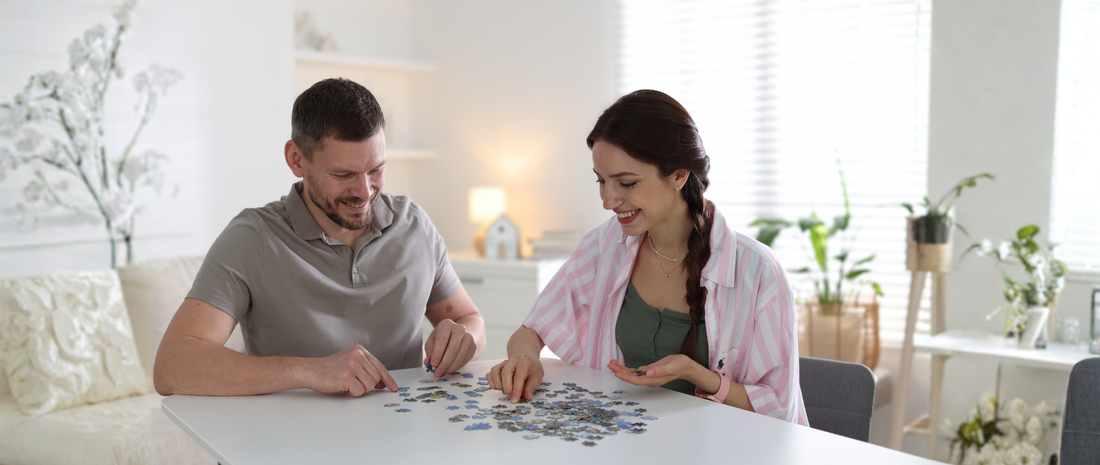
You might often do puzzles alone, but it's also surprisingly fun to do together. Put a puzzle on the table, and before you know it, you'll connect naturally.
Whether you're puzzling as a couple or with the whole family, you'll soon notice:
- You work together towards one goal, without haste
- There is room for conversations in between
- You experience and share small moments of success
In a time when we often communicate with each other through screens, puzzling is a welcome change. It's also educational for children: they practice teamwork, learn to cope with frustration, and discover the joy of investing time and attention in something.
5. A good place helps
To truly relax while puzzling, a quiet, stable place is important. A wobbly table or scattered pieces can quickly become frustrating.
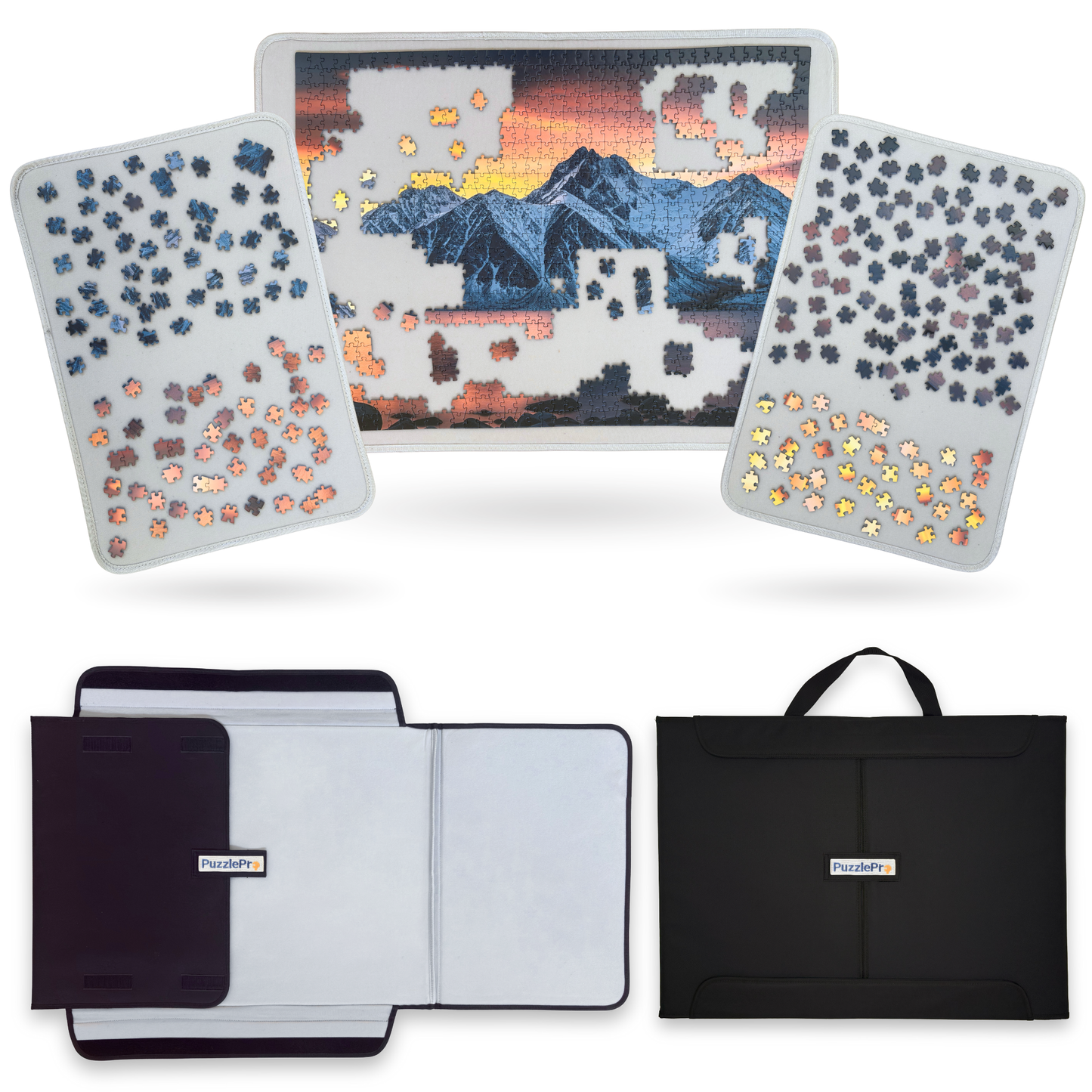
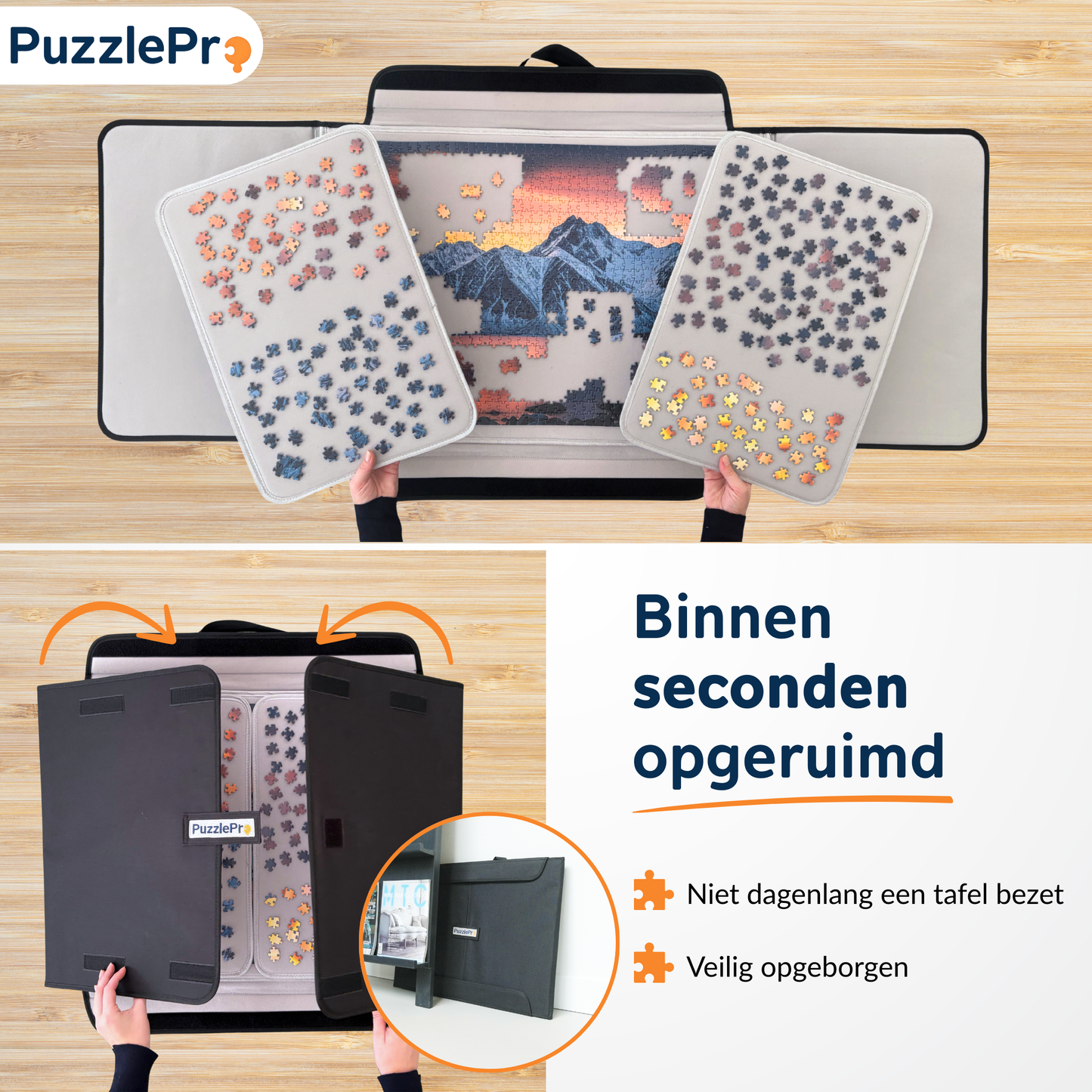
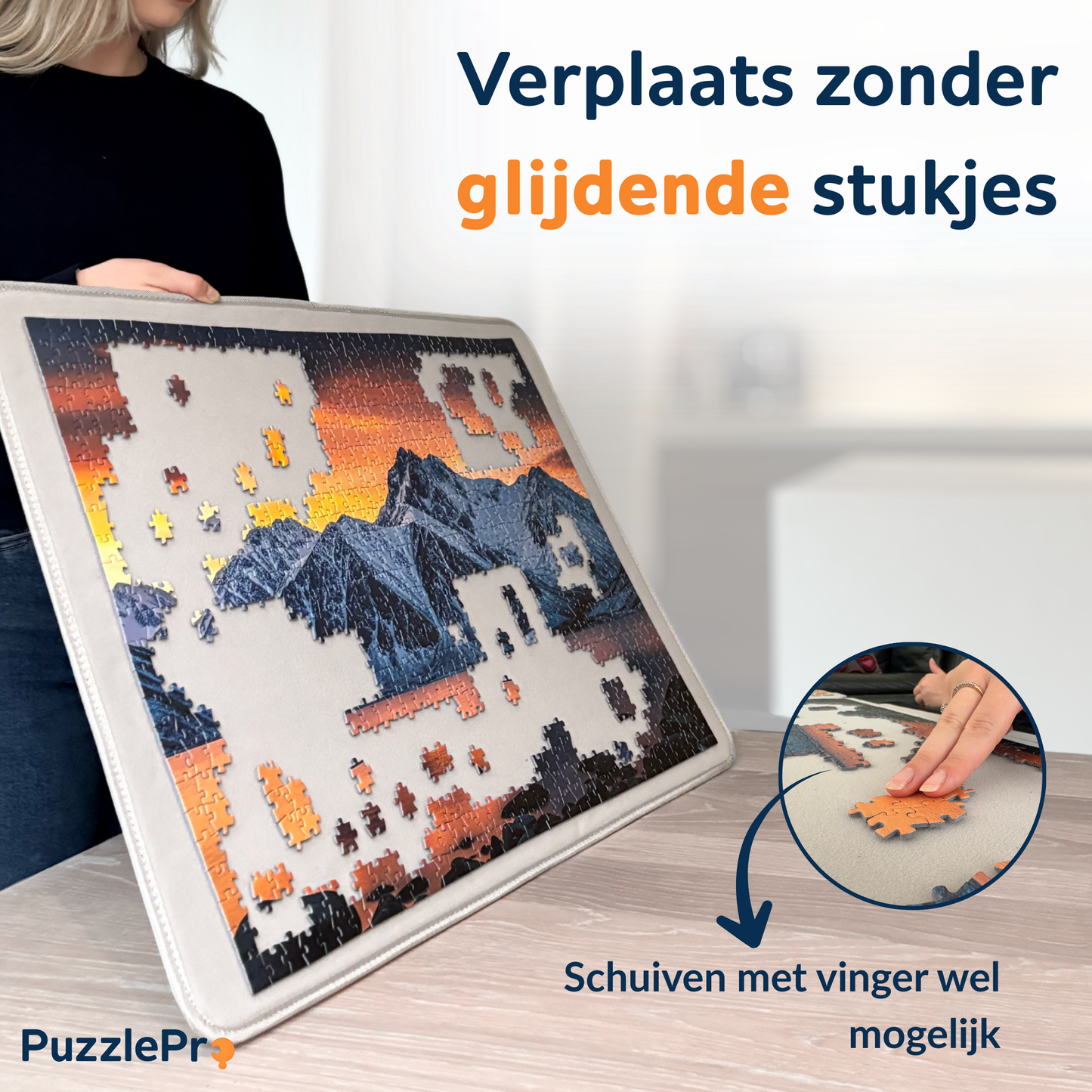
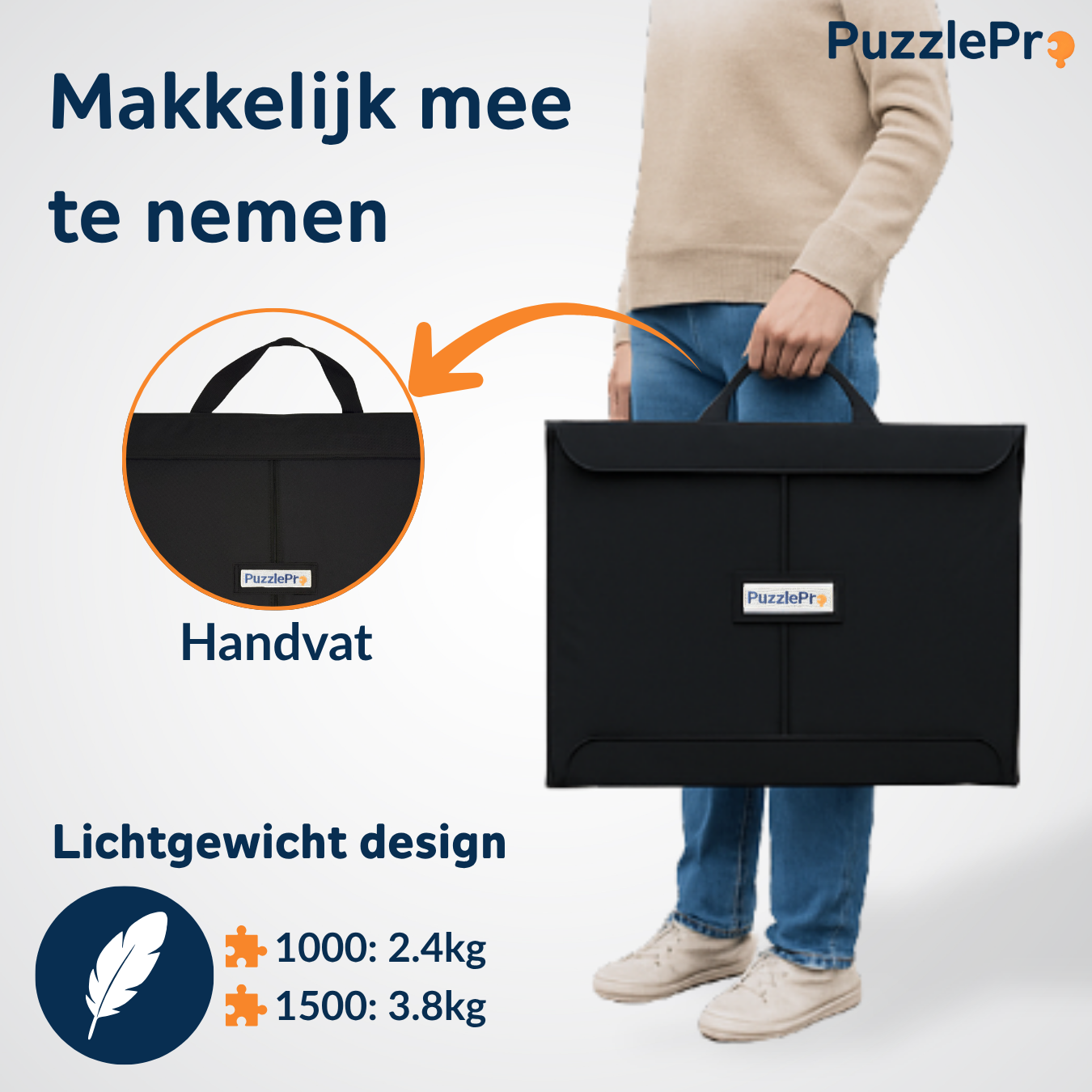
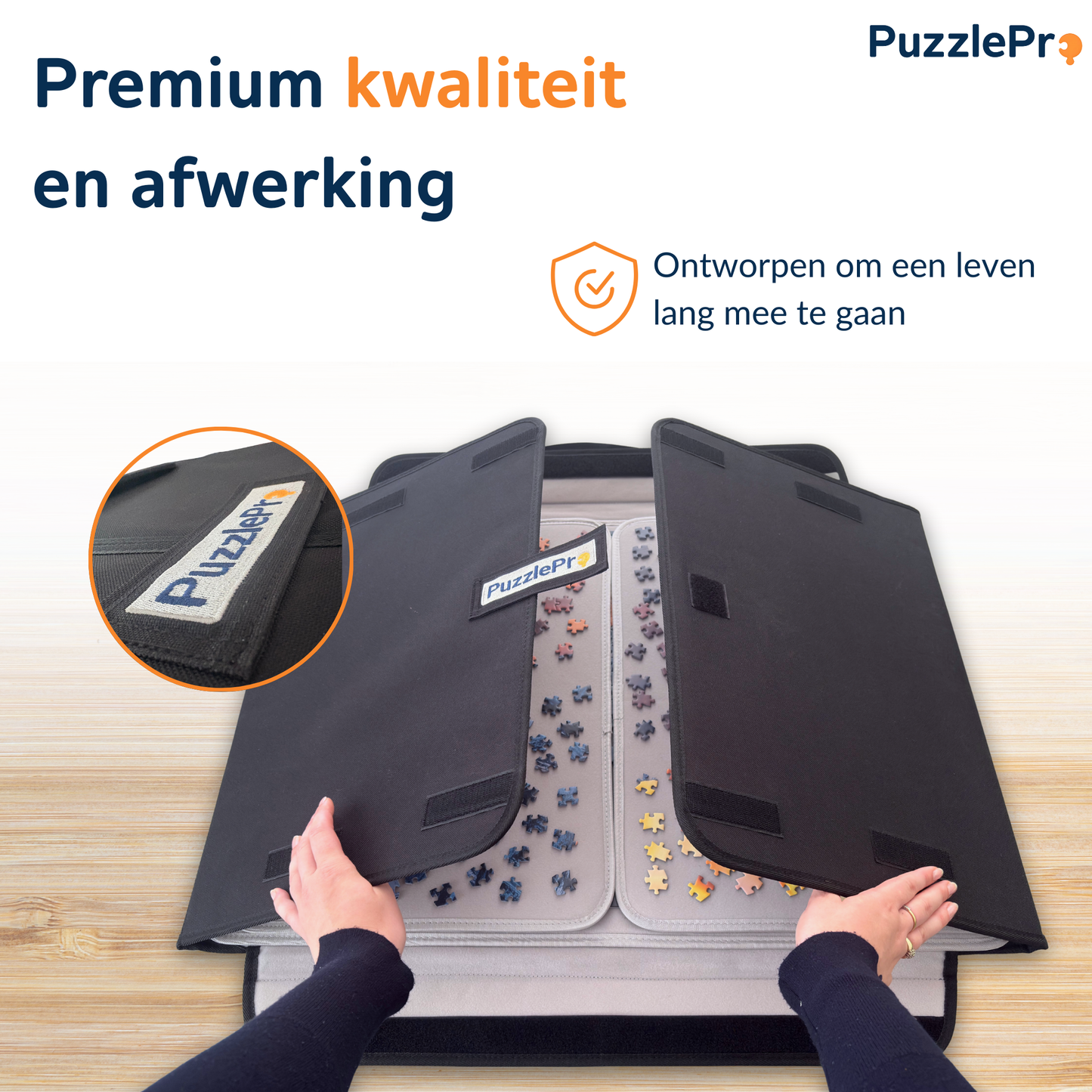
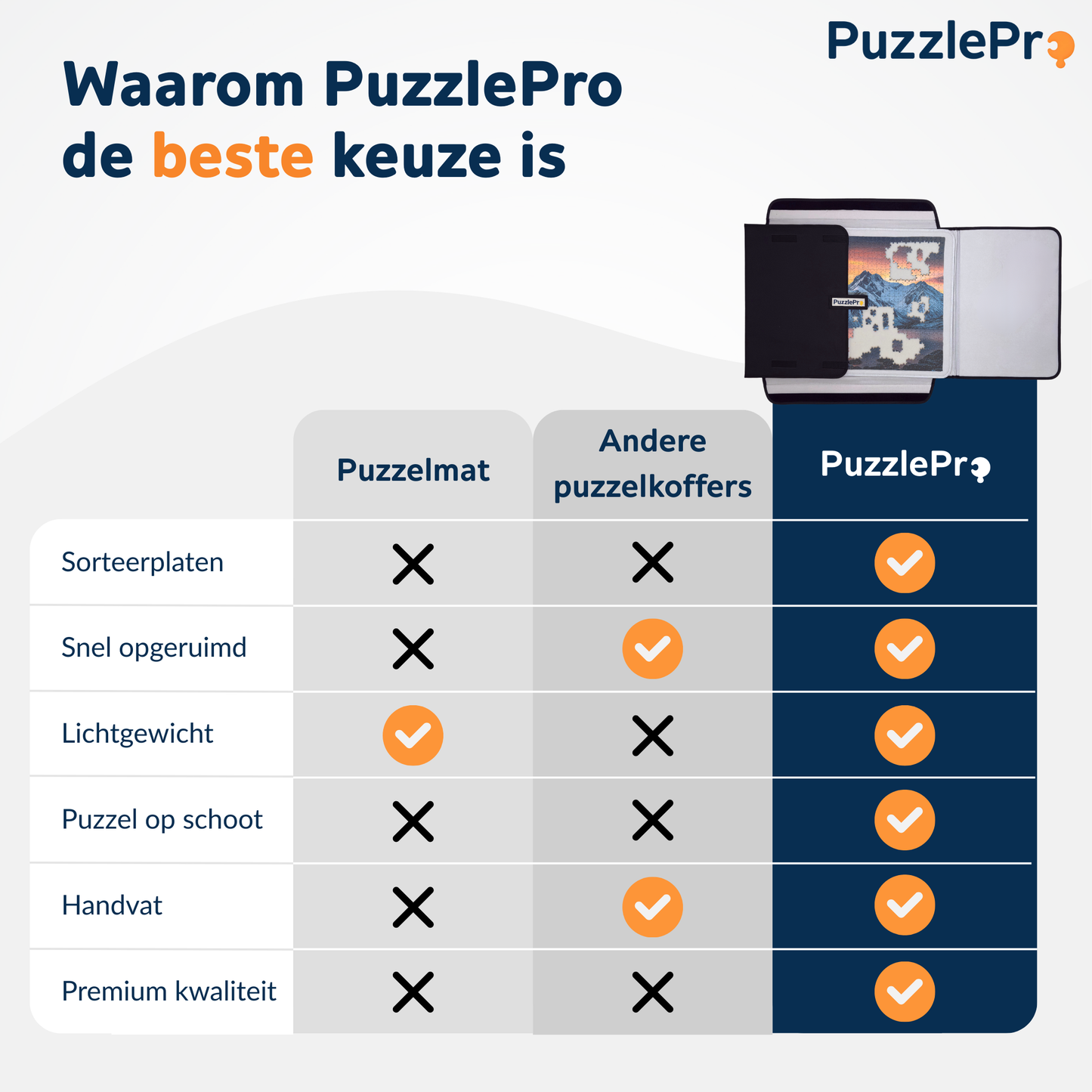
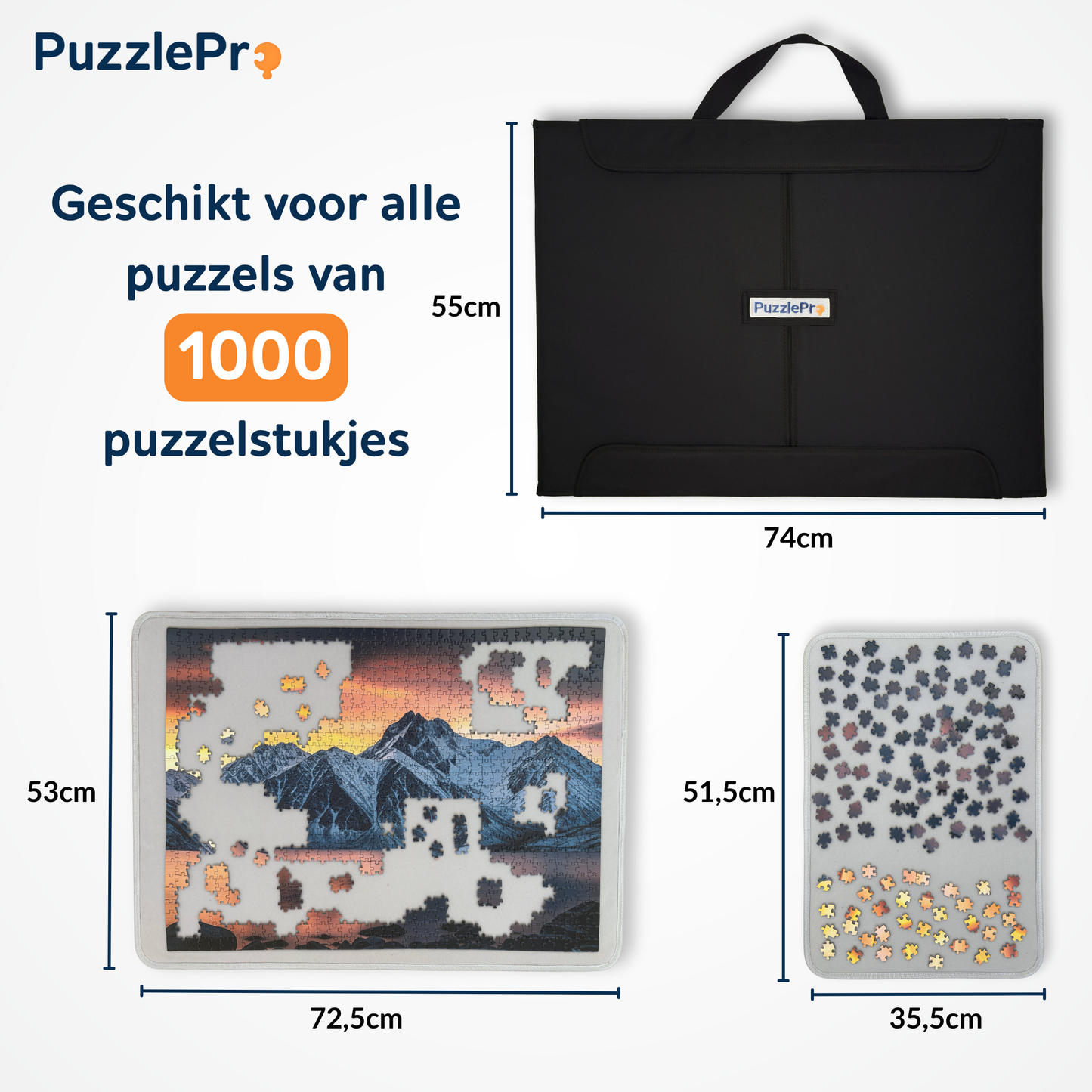
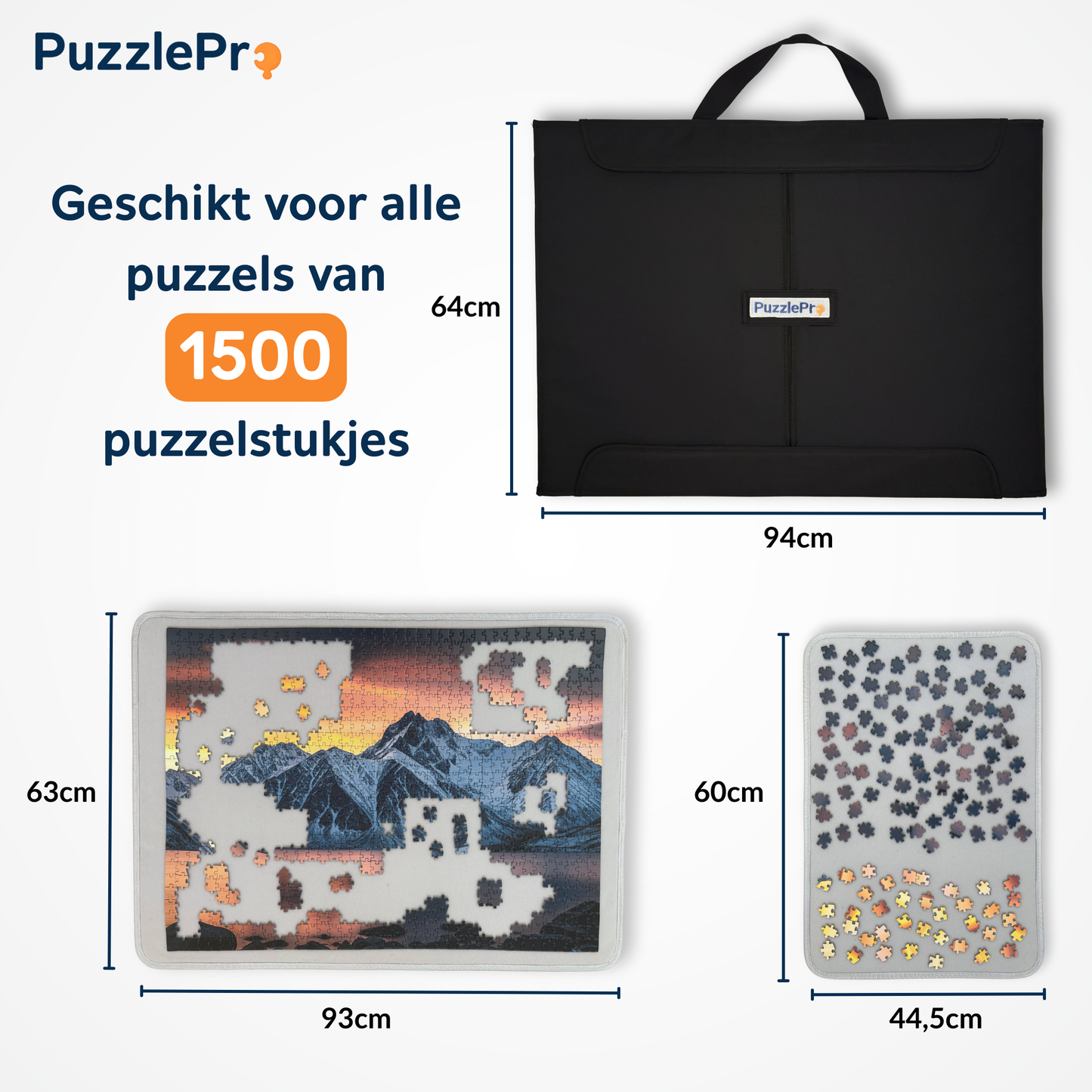
That's why many people choose a puzzle case or board. The one from PuzzlePro , for example, gives you a fixed place to puzzle, which you can also easily store away when you're done. This way, everything stays tidy and you can always pick up where you left off.
With such a suitcase you can:
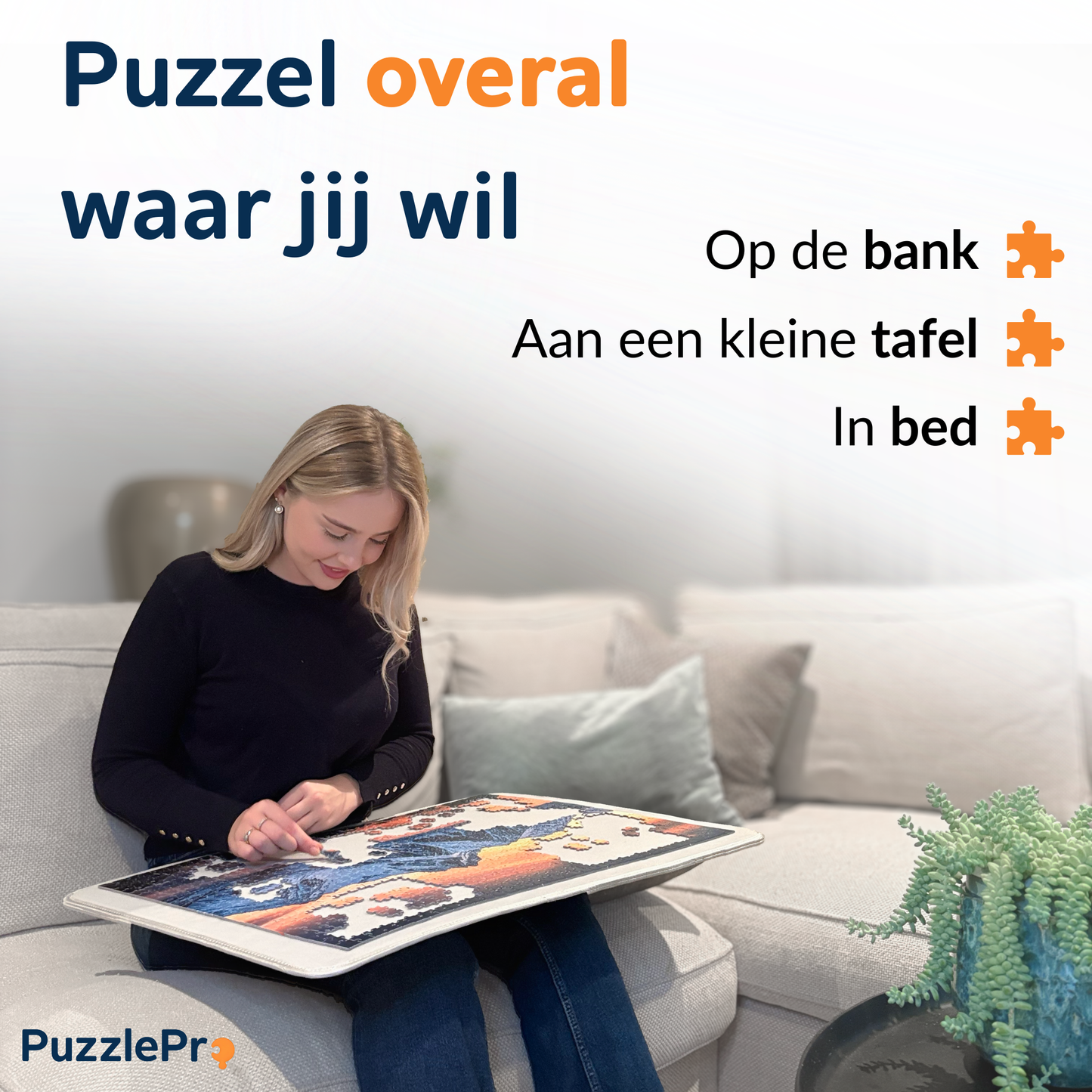
- Puzzling at the table, on the bed or even in the garden
- Store everything in between without losing pieces
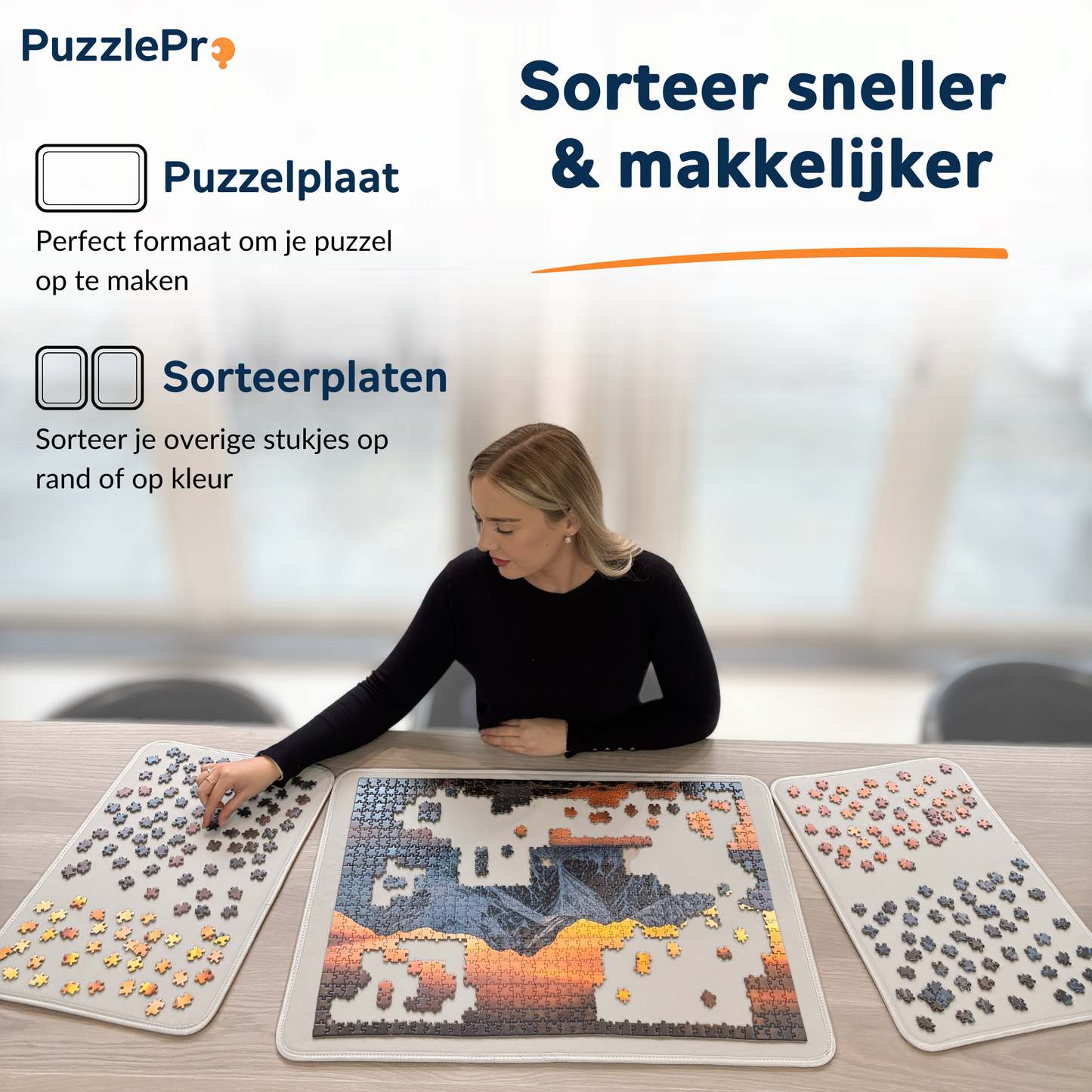
- Easily sort by color or shape
6. Puzzling helps you sleep better
Checking your phone in the evening seems harmless, but it disrupts your sleep. The blue light keeps your brain awake. Puzzling does the opposite.
Many people find they feel calmer after an hour of puzzling. They worry less, and it's easier to fall asleep. It's a pleasant way to end your day.
7. Simple, yet powerful
The beauty of puzzling is its simplicity. You don't need an app, Wi-Fi, or expensive equipment. Just a puzzle, a little time, and a bit of patience. Yet, it's incredibly effective: it makes you calmer, sharper, and happier.
With a practical puzzle case you also have everything at hand to do it comfortably and clearly, wherever you are.
Finally
In a world where screens increasingly demand more of your time, puzzling offers something different: true peace. It helps you recharge, connects you with others, and benefits your brain.
So put down that phone, pour yourself a snack, and dive into a thousand-piece puzzle. Your brain will thank you.